



Blog
How to Organize Tools at Home? Effective Tips and Tricks

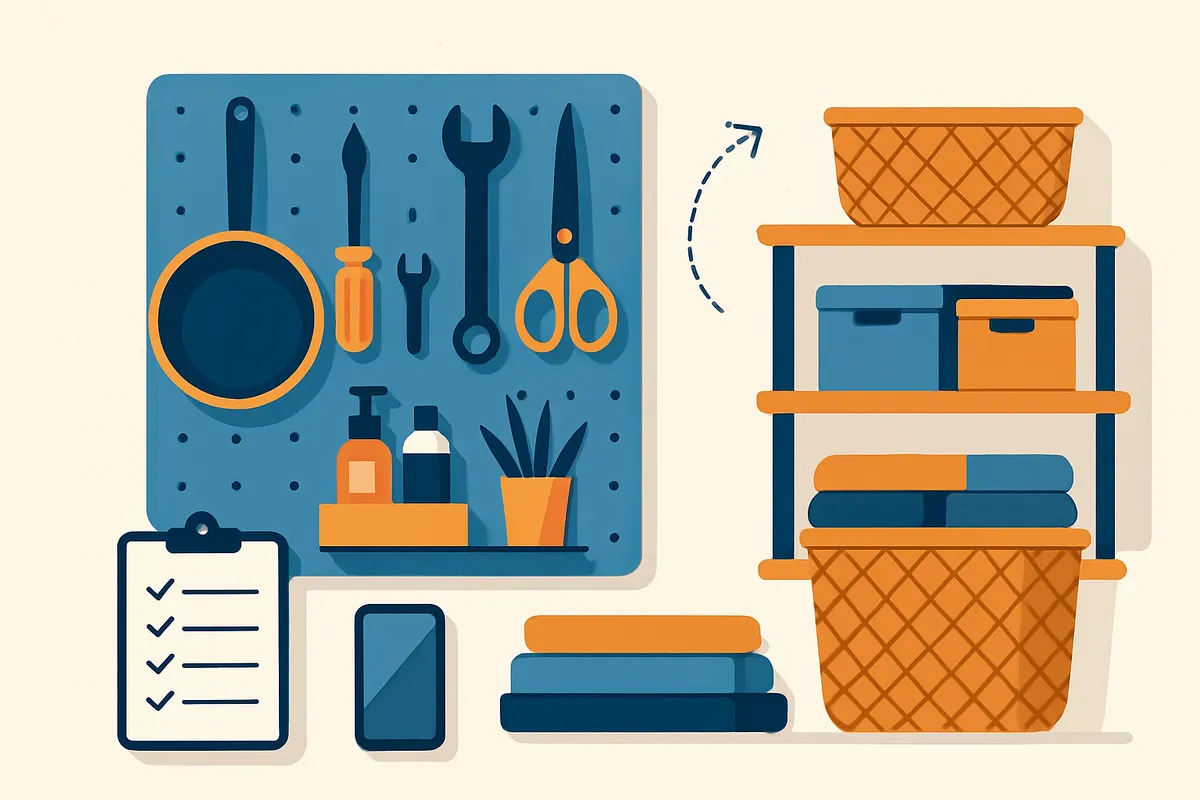
How to organize tools at home? It’s a way to store and manage tools for easy access and better space use. Are you tired of searching through messy drawers or piles in the garage? Organizing your tools saves time and boosts productivity. Whether you’re a DIY fan or just want to keep essentials handy, a neat tool collection makes fixing things quick and easy.
Imagine grabbing a screwdriver without causing a mess. With the right setup, organizing tools at home is simple. From cheap wall mounts to smart drawer inserts, there’s a solution for small apartments or big workshops. Enjoy a clutter-free space that boosts creativity and readiness.
Organizing tools is more than tidying up. It’s about creating a space that inspires and supports your projects. Let’s explore practical ways to master tool organization, whether you’re experienced or just starting your collection.
How to Organize Tools at Home Effectively
Organizing tools at home boosts efficiency and safety, preventing clutter and making the most of space. A well-organized tool setup helps you find what you need quickly.
Efficiency at Your Fingertips
Imagine needing a screwdriver for a quick fix but wasting time searching for it. This frustration is avoidable. Organized tools mean each item has its place, cutting down search time. Blake Hill House suggests using pegboards for easy access to frequently used tools. This setup saves time and encourages regular maintenance and quick repairs.
Enhanced Safety Measures
A cluttered tool area is not just inefficient; it’s dangerous. Tools left lying around can cause accidents. By organizing your tools, you create a safer environment for everyone. Homemade by Carmona suggests using magnetic strips to store metal tools securely, reducing the risk of accidents.
Decluttering Your Space
A tidy home is a serene home. Organizing tools helps declutter your space, making it more inviting and functional. Clear containers are great for tool storage because they show exactly what you have, reducing duplicates. The Spruce notes that clear containers with magnetic boards for small metal items keep everything visible and accessible.
Maximizing Small Spaces
For those in apartments or homes with limited space, efficient tool organization is crucial. Using vertical spaces with pegboards or wall-mounted shelves frees up floor space. Harbor Freight Tools suggests using parts bins and racks for small items like nails and screws. This ensures even small spaces are used effectively without feeling cramped.
Cost-Effective Solutions
Organizing tools doesn’t have to be expensive. Many affordable solutions make a big difference. Blake Hill House highlights using items like magnetic strips as budget-friendly tools. Simple DIY projects, like creating a custom pegboard, can be economical and personalized.
By organizing your tools, you enhance your home’s functionality and create a safer, more pleasant environment. Invest a little effort now to enjoy a well-ordered home that supports all your DIY ambitions.
The Basics of Tool Organization: Where to Start
To efficiently organize tools at home, assess your current storage and identify your needs. Start by evaluating the space available and the tools you own.
Step 1: Assess Your Tools
Gather all your tools in one place. This lets you see everything you have and decide what needs organizing. Group similar items to make future access easier. Consider how often you use each tool to decide if it needs a permanent spot or can be stored elsewhere.
Step 2: Evaluate Your Storage Space
Look around your garage, shed, or workshop to understand your storage options. Note unused wall space or corners for storage solutions. This helps plan where to install new organizers like pegboards or shelves, as mentioned by Blake Hill House.
Step 3: Identify Your Storage Needs
Consider what storage solutions suit your tools best. For instance, small tools and screws benefit from clear containers or magnetic strips, as Homemade by Carmona suggests. These solutions let you see what you have without rummaging.
Step 4: Choose Your Storage Solutions
- Pegboards: Ideal for hanging frequently used tools. Customize with hooks and shelves.
- Magnetic Strips: Great for metal tools like wrenches and screwdrivers. Easy wall installation.
- Clear Containers: Perfect for storing screws and small items. Ensure visibility and accessibility.
- Tool Cabinets: For larger tools, choose cabinets with customizable sections.
These options maximize your space and keep tools visible and accessible. For example, The Spruce recommends pegboards for organizing tools efficiently.
Step 5: Implement Your Plan and Adjust as Needed
Install your chosen storage systems, starting with flexible options. Pegboards can be customized with various hooks and holders. Adjust your setup based on tool usage and convenience over time. Keep frequently used tools within easy reach.
By following these steps, tool organization becomes manageable. Keep your tools organized by revisiting your setup periodically, ensuring everything stays in its place.
Top Tool Storage Solutions: Pegboards, Magnetic Strips, and More
For effective tool organization at home, pegboards, magnetic strips, and clear containers offer versatile solutions. Each option has unique benefits depending on your space and tool collection.
Pegboards: Versatility at Its Best
Pegboards are a classic solution for organizing tools, offering flexibility and accessibility. With a pegboard, you can rearrange hooks and shelves to suit your toolset. This makes it a favorite for DIY enthusiasts. According to Homemade by Carmona, pegboards allow for quick access and easy visibility of all tools. You can customize the board to fit any wall space, making it perfect for garages and workshops.
Magnetic Strips: Perfect for Metal Tools
Magnetic strips offer a sleek way to store metal tools like screwdrivers, wrenches, and pliers. These strips attach to the wall and keep your tools in plain sight, which is convenient and space-saving. As noted by Blake Hill House, magnetic strips are excellent for smaller spaces with limited floor space. They provide quick access, reducing time spent looking for the right tool.
Clear Containers: Visibility is Key
Clear containers are excellent for smaller items such as screws, nails, and drill bits. They let you quickly see what’s inside without opening multiple boxes. Labeling these containers can enhance organization, although, as The Spruce suggests, labels are optional. If you prefer a minimalist look, skipping labels might work better.
Comparison of Tool Storage Options
Each storage solution has its strengths. A comparison can help you decide the best fit for your needs:
| Storage Solution | Best For | Advantages | Disadvantages |
|---|---|---|---|
| Pegboards | General tool organization | Customizable, highly visible | Requires wall space |
| Magnetic Strips | Metal tools | Space-saving, easy access | Limited to metal items |
| Clear Containers | Small parts | Allows for quick identification | May require labeling for optimal use |
Choosing the Right Solution
Consider what tools you own and your available space when selecting a storage solution. If you’re working with a small area, magnetic strips might be best. For a diverse collection of tools, pegboards offer the most flexibility. Clear containers are essential for organizing smaller parts efficiently. Using a combination of these solutions can maximize storage efficiency. Remember, the goal is to create a system that keeps your tools organized and easily accessible, as highlighted by Harbor Freight Tools, a leader in tool storage solutions.
Maximizing Space: Clever Storage Ideas for Small Areas
Organizing tools at home becomes easy with smart storage solutions, especially in small spaces. By using vertical storage and multi-functional furniture, you can keep tools accessible without cluttering your home.
Vertical Storage Solutions
Using vertical space is key to maximizing storage in small areas. A pegboard is a versatile option that lets you hang tools efficiently. According to Blake Hill House, pegboards are inexpensive and customizable. You can arrange hooks and holders to keep everything from hammers to pliers in plain sight.
Magnetic Strips for Metal Tools
Magnetic strips are a fantastic way to store metal tools. Homemade by Carmona suggests these strips can be easily mounted on walls to hold screwdrivers, wrenches, and spanners. They save space and make tool identification quick and straightforward.
Clear Containers for Easy Visibility
Storing tools in clear containers helps you see what you have at a glance. This method is useful for smaller items like nails or screws. Use labeled bins to separate different types of fasteners, ensuring you find what you need efficiently. The Spruce recommends using clear jars with lids for frequently used items.
Multi-Functional Furniture
Furniture that doubles as storage can be a lifesaver in small spaces. Consider a workbench with built-in drawers or a cabinet with a pegboard backing. Remodelaholic points out that custom-built pieces can be tailored to your tool collection, ensuring no space is wasted.
Creative Storage Ideas to Try
- Wall-Mounted Shelves: Add shelves to walls for storing boxes or baskets of tools.
- Over-the-Door Organizers: Use shoe organizers to store small tools. Each pocket can hold different items.
- Lazy Susan Trays: Install a rotating tray in a cabinet for easy access to often-used tools.
- Fold-Down Tool Stations: These wall-mounted fold-outs provide a workspace that tucks away.
By integrating these clever storage ideas, your small space can function efficiently without compromising on tool organization needs. For more on using pegboards effectively, check out Blake Hill House. Explore solutions for DIYers on Homemade by Carmona.
Smart Home Devices for Tool Organization
Smart home devices are changing how we organize tools at home, offering advanced solutions like inventory management apps and smart storage systems. These technologies streamline tool organization and enhance efficiency.
Inventory Management Apps
Inventory management apps are a practical advancement in tool organization. These apps let you catalog your tools digitally, making it easy to track what you have and need. By scanning barcodes or entering data, you can maintain an up-to-date list of tools. This is useful for busy homeowners who might misplace tools. With notifications and reminders, these apps alert you when it’s time to restock or check for missing items, ensuring you always have what you need.
Smart Storage Systems
Smart storage systems integrate technology with physical storage solutions. Imagine cabinets that light up as you open them or shelves with sensors that alert you if a tool is missing. These systems help maintain order and provide a visual confirmation of your inventory. Using sensor-activated lighting in your storage area prevents time lost searching for tools in dim spaces. Some advanced systems connect with your home network, allowing you to monitor your tool inventory remotely, adding security against theft or loss.
Magnetic Strips and Tool Trackers
Magnetic strips are a simple yet effective way to organize metal tools like wrenches and screwdrivers. Blake Hill House suggests kitchen knife magnets for this purpose. These strips can be mounted on walls to keep your tools in plain sight and within easy reach. For a high-tech twist, consider using smart trackers attached to individual tools. These Bluetooth-enabled tags help you locate misplaced items through a smartphone app, reducing the frustration of lost tools.
Voice-Activated Assistants
Voice-activated assistants like Amazon Alexa or Google Assistant can be a boon for tool organization. By integrating these assistants with your inventory apps or smart storage solutions, you can use voice commands to check your tool inventory or set reminders for maintenance tasks. Asking, “Do I have a 5mm Allen wrench?” or “When did I last replace my drill bits?” becomes effortless, keeping your workflow uninterrupted.
DIY Smart Solutions
If you’re a fan of DIY projects, incorporating smart technology can be an exciting challenge. Consider building a custom tool cabinet with pegboard backing, as suggested by The Spruce, but add a smart twist. Install a tablet or small laptop on the cabinet for real-time monitoring and updates of your tool inventory. Set up automated alerts for when tools are removed and not returned, providing a unique and personalized touch to your organization system.
Integrating smart home devices into your tool organization optimizes space and enhances efficiency and ease of use. With these innovations, keeping your tools organized becomes less of a chore and more of an enjoyable process. For more creative ideas on tool storage, check out these Inexpensive Tool Organization Ideas.
DIY vs. Store-Bought: Customizing Your Storage Solutions
Choosing between DIY and store-bought tool storage solutions depends on your needs, budget, and space. Both options offer unique advantages, so let’s explore which might work best for you.
Benefits of DIY Storage Solutions
DIY tool storage solutions shine in customization and cost-effectiveness. If you have specific storage needs or an awkward space to fill, building your own can be ideal. A pegboard offers flexibility. You can add or remove hooks to accommodate different tools (source: The Spruce). Using magnetic strips for metal tools is another clever idea for easy access (source: Homemade by Carmona).
DIY projects often use materials on hand, saving money. Scrap wood or leftover paint can turn into a custom tool cabinet with personality. Plus, the process of creating can be rewarding, giving you a sense of accomplishment and ownership.
Drawbacks of DIY Options
While DIY offers customization, it can be time-consuming and might require skills you lack. Precision is key, and mistakes can lead to frustration. Additionally, acquiring necessary tools and materials may lead to unexpected costs if you don’t have them on hand.
For those who aren’t naturally handy, a DIY project might become overwhelming. It’s important to assess honestly whether you have the time and patience to see a project through.
Advantages of Store-Bought Solutions
Store-bought storage solutions are convenient and often expertly designed. They’re ready-to-use, saving you time and effort. Products like pre-made toolboxes or wall-mounted organizers can instantly tidy up your space. Brands like Harbor Freight offer a wide range of solutions catering to different needs and tool collections.
These products are often durable and come with warranties, ensuring you get long-term value. For someone with little time or DIY interest, purchasing can provide peace of mind and stability.
Potential Downsides of Store-Bought Storage
The primary drawback of store-bought solutions is the lack of customization. They might not fit your specific space or tools perfectly. Additionally, costs can add up, especially for high-quality items.
Another consideration is the potential for waste. If a product doesn’t fit your needs exactly, it can become clutter rather than a solution.
Striking a Balance
Deciding between DIY and store-bought doesn’t have to be all or nothing. Consider a hybrid approach. Use store-bought magnetic strips for small metal tools and craft your own custom shelves for larger power tools.
Evaluate your needs and skills. Perhaps start small with a DIY project like a magnetic container for screws and bolts (source: Blake Hill House). Gradually incorporate store-bought items where they offer convenience and durability.
Whether you choose DIY, store-bought, or a mix, tailor your tool storage to fit your lifestyle, ensuring your tools are always organized and accessible.
Maintenance Tips: Keeping Your Tools Organized Long-Term
Keeping your tool area organized requires regular maintenance, including audits and cleaning schedules. Implementing a few simple habits can ensure your tools remain accessible and your workspace clutter-free.
Regular Audits to Ensure Efficiency
Perform regular audits to assess which tools you frequently use and which are just gathering dust. By identifying rarely used tools, you can store them elsewhere, freeing up space for essentials. According to Blake Hill House, categorizing tools by frequency of use streamlines access and improves workflow.
Establish a Cleaning Routine
Dust and grime can quickly accumulate, making regular cleaning essential. A bi-weekly cleaning schedule prevents dirt build-up and keeps your tools in optimal condition. Use this time to inspect tools for wear and tear, ensuring your equipment is safe and ready for use. A clean space also helps you quickly identify if a tool is missing.
Maintaining Visibility with Clear Containers
Using clear containers is a smart way to keep tools visible and accessible. This approach reduces the time spent hunting for a specific item and allows for easy stock checks. Ursula Carmona suggests that visible storage solutions minimize frustration and streamline your workflow.
Incorporate Magnetic Strips for Quick Access
Magnetic strips offer a fuss-free way to store metal tools, ensuring they’re always within reach. Attach them to walls for space-efficient storage. As noted by The Spruce, magnetic strips keep tools organized without the need for hooks or slots, making them ideal for frequently used items.
Set Up a Routine for Returning Tools
Train yourself and any helpers to return tools after each use. A simple habit of putting tools back helps maintain order and reduces the risk of misplacing items. Consider labeling spots or sections for each tool, especially if you share your workspace, to reinforce this habit.
Create a Tool Maintenance Checklist
Having a checklist ensures you don’t overlook maintenance tasks. Include points like checking tool conditions, testing sharpness, and lubricating moving parts. This proactive approach extends the life of your tools and ensures they’re ready whenever you need them.
Tips for Long-Term Organization
- Conduct an audit every three months to optimize tool placement.
- Clean your workspace bi-weekly to prevent grime build-up.
- Use clear containers for visibility and easy access.
- Install magnetic strips for metal tool organization.
- Implement a routine for returning tools to their designated spots.
- Develop a maintenance checklist to keep tools in top condition.
By integrating these maintenance tips into your routine, your tools will remain organized and easy to access long-term. These strategies are not just about maintaining order but also ensuring that your tools are always ready for any project.
Frequently Asked Questions
What are the best ways to organize tools in a small space?
Utilize vertical storage solutions like shelves and pegboards. Consider using toolboxes or storage bins that can be stacked to maximize space.
How can I use pegboards effectively for tool storage?
Install pegboards on walls to hang tools for easy access. Use hooks, shelves, and baskets on the pegboard to keep tools organized and visible.
Are magnetic strips safe for all metal tools?
Magnetic strips are generally safe for most metal tools, but avoid using them with very heavy tools that could fall. Ensure the strip is securely mounted to support the weight.
Should I label my tool storage containers?
Yes, labeling storage containers helps you quickly find the tools you need. It also makes it easier to return tools to their designated spots.
Wrap-Up and Next Steps for an Organized Home
Effective tool organization transforms chaos into clarity. By categorizing tools and using smart storage solutions, you can keep everything accessible and tidy. Use wall-mounted racks to free up floor space, and consider drawer inserts for smaller items. For those overwhelmed by clutter, explore how to get organized at home when overwhelmed for more guidance. Remember, the goal is not just neatness but efficiency. Your home will feel more spacious, and you’ll save time when everything is in its right place. Dive into our trendy gadgets guide for additional inspiration. Make a plan today to start organizing your tools and enjoy a more streamlined home life!

